There is a specific kind of magic that happens when you take a raw, fragrant piece of lumber and turn it into something functional. For many, woodworking starts as a “someday” hobby—something we imagine doing once we have a massive workshop and thousands of dollars in industrial machinery.
But here’s the truth: The best way to start is small. You don’t need a degree in carpentry or a warehouse full of tools to create something beautiful. You just need a solid plan and the willingness to make your first cut.
If you’re looking to get your hands dusty this weekend, here are three beginner-friendly projects that teach the fundamentals while resulting in a piece you’ll actually use.
1. The Classic Birdhouse
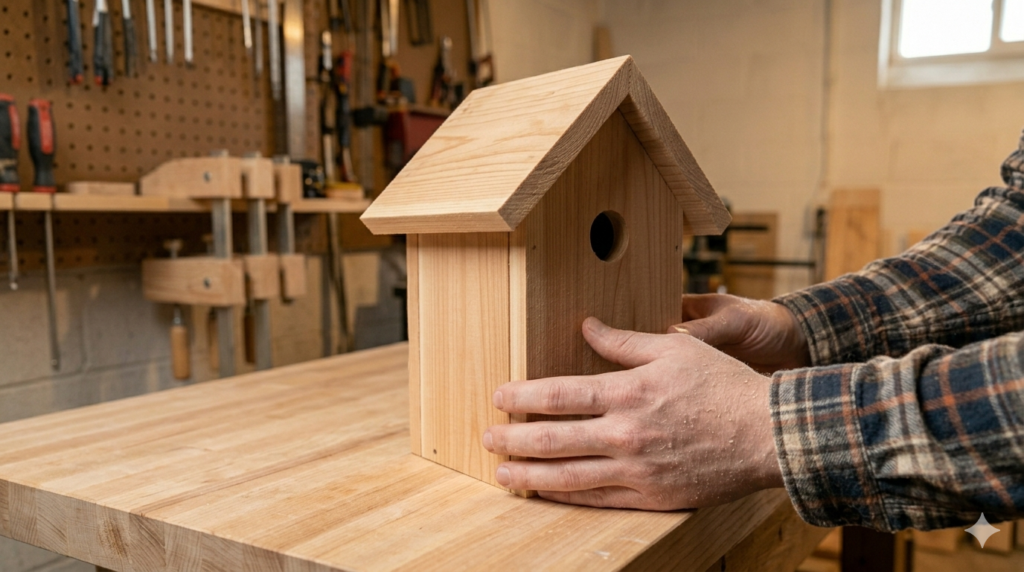
It sounds cliché, but the birdhouse is the ultimate “classroom” project. It teaches you the three most important basics:
- Measuring twice and cutting once.
- Creating basic 90-degree and angled joints.
- Weatherproofing and finishing. Plus, if it’s a little bit “rustic” (read: slightly crooked), the birds won’t mind one bit.
2. A Solid Step Stool
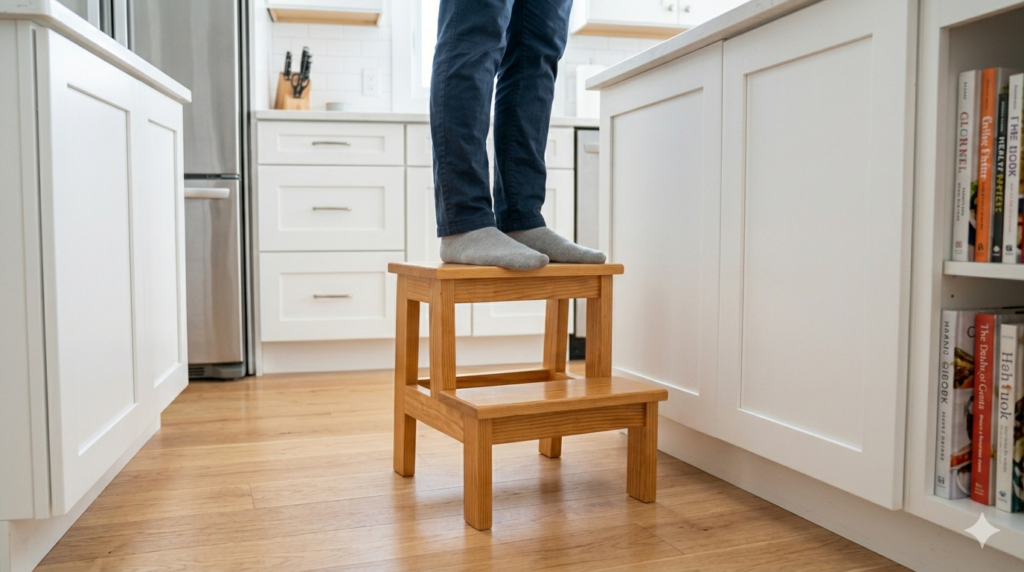
This is where you move from craft to furniture. A step stool introduces you to structural integrity. You’ll learn how to join wood so that it can safely support weight. It’s a quick win that usually takes an afternoon, and you’ll find yourself reaching for it every time you need to hit the top shelf in the kitchen.
3. Desktop Organizer or “Docking Station”
In our digital age, a wooden home for your phone, keys, and watch is a great way to practice precision. Because these items are smaller, your cuts need to be cleaner and your sanding more thorough. It’s a fantastic way to practice detail work without the pressure of a large-scale build.
The Secret to “One-Weekend” Success
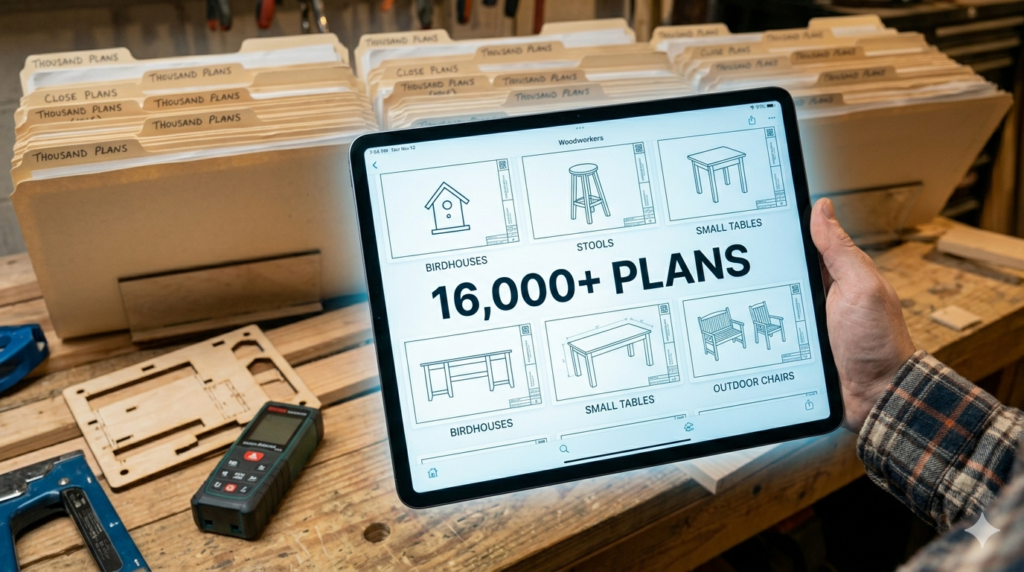
The biggest hurdle for most beginners isn’t a lack of talent—it’s a lack of clear instructions. There is nothing more frustrating than getting halfway through a project and realizing the measurements don’t add up or the diagram is missing a step.
If you want to skip the guesswork and get straight to the building, having a massive library of vetted blueprints is a game changer. For those who want to dive deep into thousands of professional-grade designs—from simple boxes to complex decks—[Ted’s Woodworking] is widely considered the “gold standard” for home builders. It provides the exact dimensions, tool lists, and material requirements so you can focus on the craft, not the math.
What’s the first thing you’re planning to build? Let me know in the comments!